There are no items in your cart
Add More
Add More
| Item Details | Price | ||
|---|---|---|---|

A Primal Health Coach’s Perspective
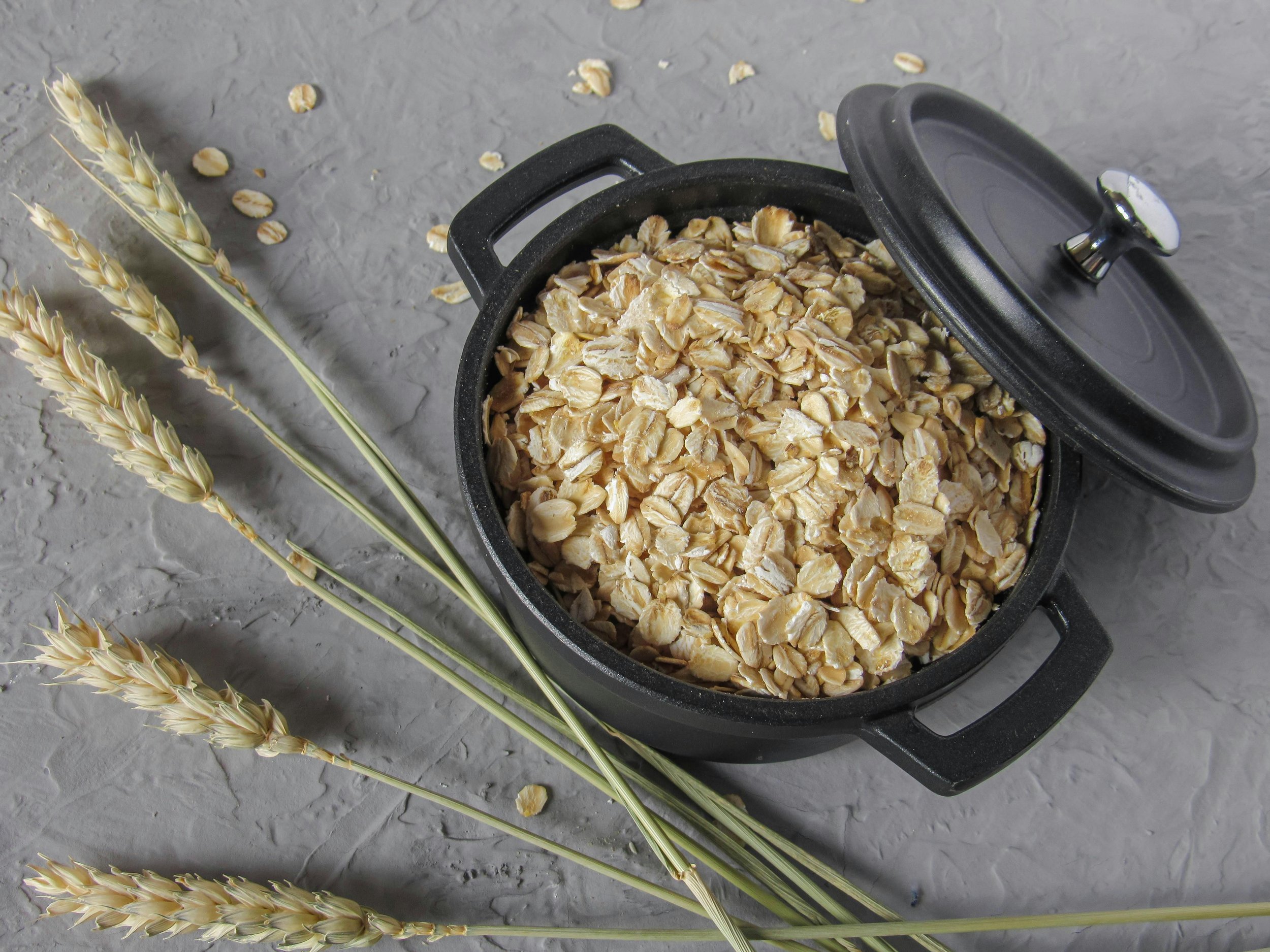
Oatmeal has traditionally been a staple in many diets around the world, praised for its heartiness and health benefits. However, from a primal health perspective, particularly when addressing dietary needs for people with diabetes, there are nuanced considerations to keep in mind.
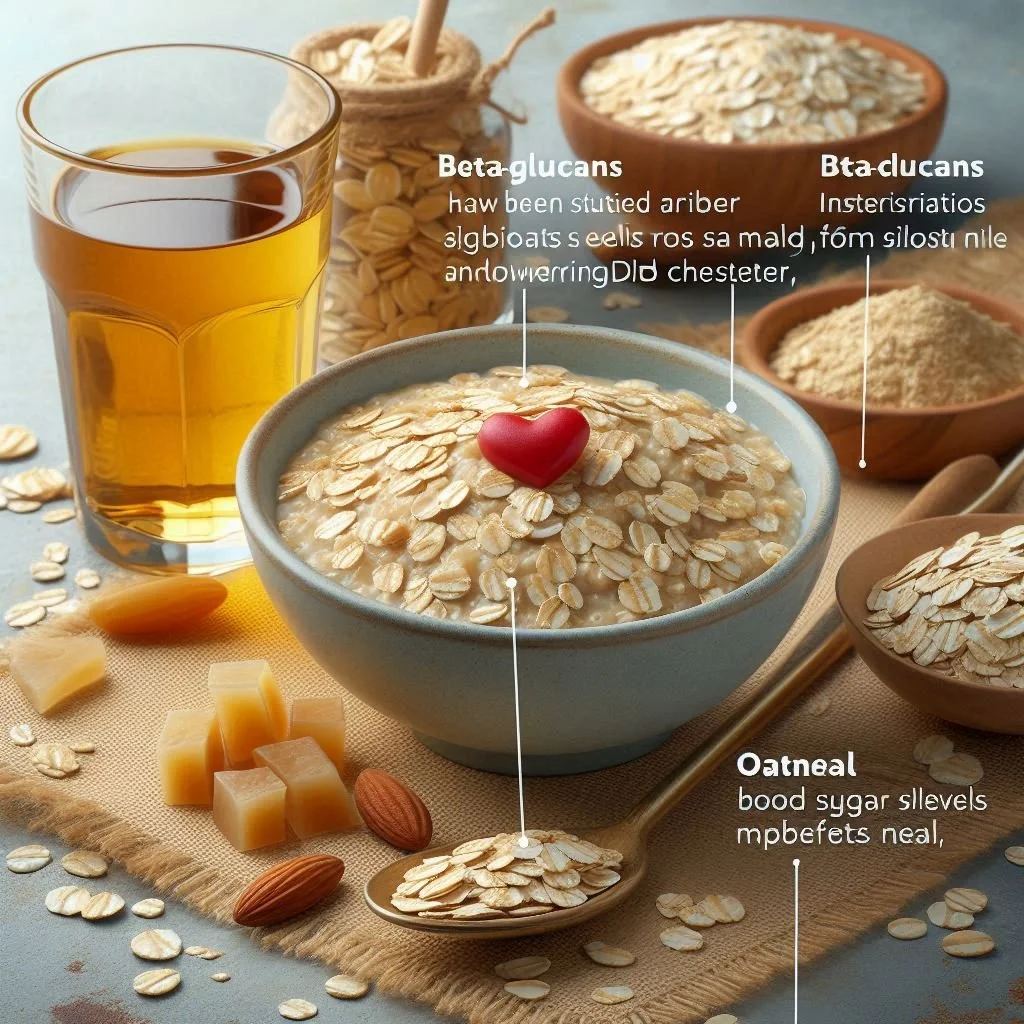
Oatmeal is rich in carbohydrates, but it also contains a specific type of soluble fiber known as beta-glucans. This fiber has been studied extensively and has shown potential in moderating blood sugar levels post-meal and lowering LDL cholesterol (Reyna, 2020). Beta-glucans slow down the digestion process, which can help prevent sharp spikes in blood sugar, making it a generally good option for people with diabetes when consumed in moderation (Amelia Sherry, 2020).
For those following a primal lifestyle, integrating oatmeal requires careful consideration:
By selecting the right types of oats and pairing, oatmeal can support energy, nutrient intake, and well-being without compromising primal health goals.
Close carbohydrate monitoring is essential for diabetics. Oatmeal should fit within an individual's overall carb budget, complemented by fiber-rich vegetables and quality proteins for blood sugar control.
Oatmeal can still raise blood sugar, especially in poorly controlled diabetes. Individual response varies, so monitor glucose levels regularly. Also, being a grain, it may cause inflammation in sensitive individuals. Alternatives include protein/fat-rich breakfasts or low-glycemic smoothies.
Oatmeal can be a part of a diabetic diet, emphasizing whole, unprocessed foods stabilizing blood sugar and reducing inflammation. Selecting least processed oats and pairing with proteins/fats makes oatmeal healthier. Individual monitoring remains key.
If you're ready to take the next step toward optimal health and want to learn more about how to nourish your body the primal way, I’m here to help guide you through the maze of modern nutrition. Book a free consultation with me today, and together we'll tailor a health and wellness plan that's as unique as you are. Let’s start your journey to vibrant health now—because your best self awaits!
 Launch your Graphy